

Virtual water heritage: Re-narrating conventual heritage at the Quinta de São Paulo
Jesse Rafeiro, Ana Tomé
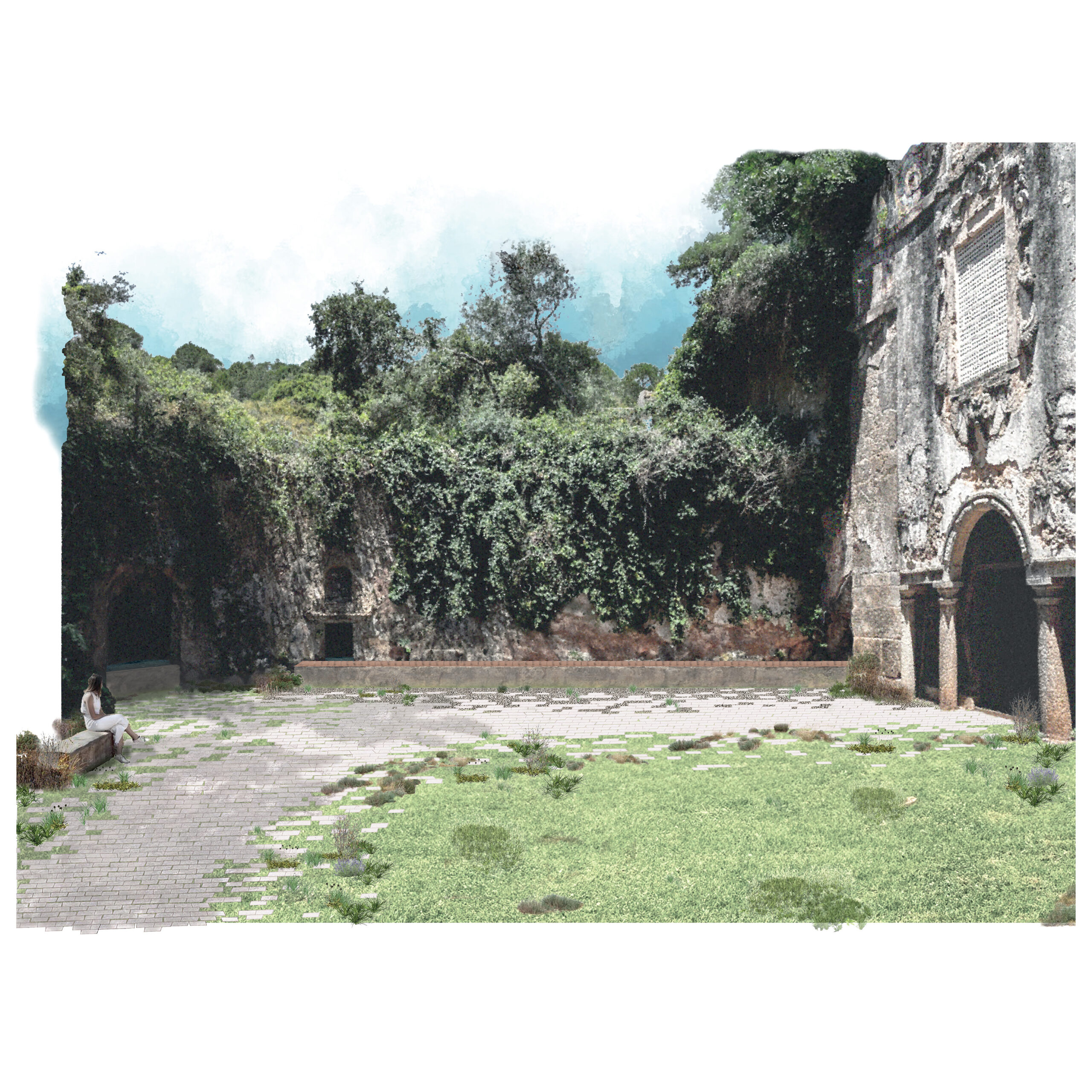
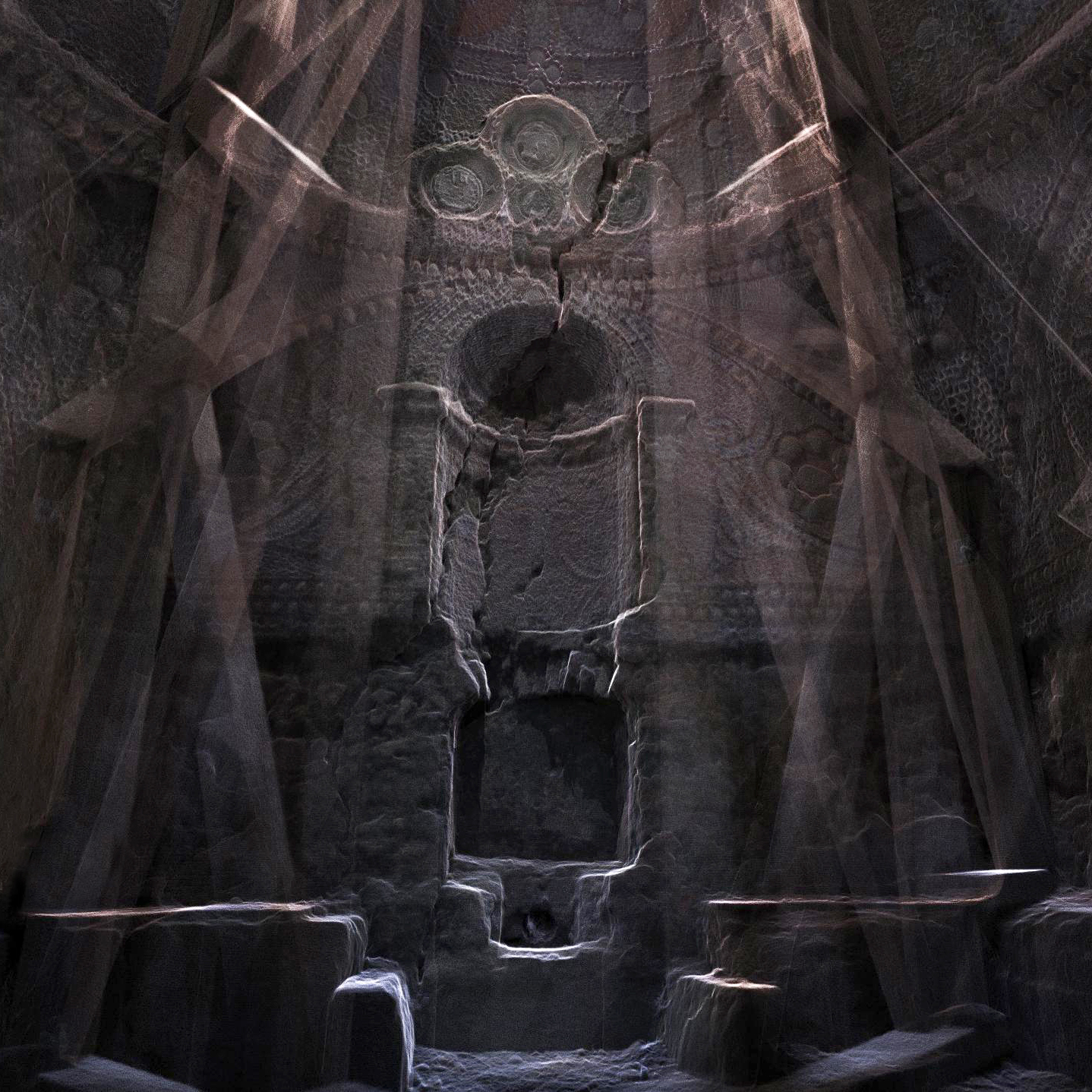
Abstract: This paper presents an approach to virtual water heritage undertaken at the Quinta de São Paulo in Setúbal, Portugal, where two conventual hydraulic systems survive in a state of ruin. Amid increasing regional water scarcity, these systems have gained renewed relevance both as historical models for diversified water management and as a basis for re-narrating conventual heritage. To support their historic interpretation and eventual rehabilitation planning, a Historic Building Information Modelling (HBIM) environment is being used to coordinate survey data from terrestrial laser scanning (TLS), ground-penetrating radar (GPR), analogue surveys and comparative case studies. Two interconnected lines of investigation were explored: firstly, evidence-based virtual reconstructions and secondly, as-found modelling of existing conditions. Across these lines of investigation, dissemination prototypes were developed through a range of tools, including extended reality (XR) and 3D printed artefacts to communicate ongoing research to expert evaluators and publics. Framed within a larger research project, this approach identifies best practices and gaps that can support the site’s ongoing interpretation, rehabilitation, and heritage programming.
Keywords: HBIM, Virtual reconstruction, Convent architecture, Water heritage, Climate change, Anthropocene
Frontiers of Architectural Research, 2026
https://doi.org/10.1016/j.foar.2026.06.017